The Role of Reasonable Cause in IRS Form 843: Understanding Your Options
When dealing with IRS Form 843, understanding the role of reasonable cause is crucial for navigating the complexities of tax relief. The form is used to request abatement of a tax or penalty, but the IRS requires documentation to validate your claim. This is where reasonable cause comes in – a factor that can significantly impact the outcome of your request. The concept of reasonable cause is not limited to specific circumstances; it's a nuanced topic that may involve the interplay of various elements, from the circumstances surrounding your tax debt to your personal situation.
 When assessing whether you have reasonable cause, the IRS will consider several factors, including:
• Reasonable reliance on tax professional or advisor: If you relied on a qualified tax professional or advisor to prepare your tax return, and they made an error, you may be eligible for relief.
• Lack of bad faith or intent: The IRS will consider whether you acted in good faith or made a genuine mistake, rather than attempting to manipulate the tax system.
• Unforeseen events: Unforeseen events, such as natural disasters or sudden illnesses, can impact your ability to comply with tax obligations, potentially establishing reasonable cause.
When assessing whether you have reasonable cause, the IRS will consider several factors, including:
• Reasonable reliance on tax professional or advisor: If you relied on a qualified tax professional or advisor to prepare your tax return, and they made an error, you may be eligible for relief.
• Lack of bad faith or intent: The IRS will consider whether you acted in good faith or made a genuine mistake, rather than attempting to manipulate the tax system.
• Unforeseen events: Unforeseen events, such as natural disasters or sudden illnesses, can impact your ability to comply with tax obligations, potentially establishing reasonable cause.
 By understanding the role of reasonable cause in IRS Form 843, you'll be better equipped to navigate the complexities of tax relief and build a stronger case for your claim. Whether you're facing a tax debt or penalty, demonstrating reasonable cause can be a critical factor in achieving a favorable outcome.


Achieving a Favorable Outcome: What Constitutes Reasonable Cause?
To establish a favorable outcome for your Form 843 claim, you must provide evidence that demonstrates you had reasonable cause for the error that resulted in the tax or penalty. This might include circumstances like an honest mistake, lack of knowledge, or unforeseen events. It's also essential to note that reasonable cause can be influenced by your individual circumstances, such as your age, health, or education level.
When assessing whether you have reasonable cause, the IRS will consider several factors, including:
• Reasonable reliance on tax professional or advisor: If you relied on a qualified tax professional or advisor to prepare your tax return, and they made an error, you may be eligible for relief.
• Lack of bad faith or intent: The IRS will consider whether you acted in good faith or made a genuine mistake, rather than attempting to manipulate the tax system.
• Unforeseen events: Unforeseen events, such as natural disasters or sudden illnesses, can impact your ability to comply with tax obligations, potentially establishing reasonable cause.
Building Your Case: Supporting Documentation and Evidence
In addition to explaining the circumstances surrounding your tax debt, you'll need to provide supporting documentation and evidence to demonstrate reasonable cause. This may include: • W-2 and 1099 forms: Original or certified copies of W-2 and 1099 forms, as well as any other relevant financial documents. • Medical records or supporting documentation: If an illness or disability prevented you from fulfilling tax obligations, you may need to provide medical records or other supporting documentation. • Correspondence with tax professionals or advisors: If you relied on a tax professional or advisor, you may need to provide correspondence or records of your communication.
By understanding the role of reasonable cause in IRS Form 843, you'll be better equipped to navigate the complexities of tax relief and build a stronger case for your claim. Whether you're facing a tax debt or penalty, demonstrating reasonable cause can be a critical factor in achieving a favorable outcome.
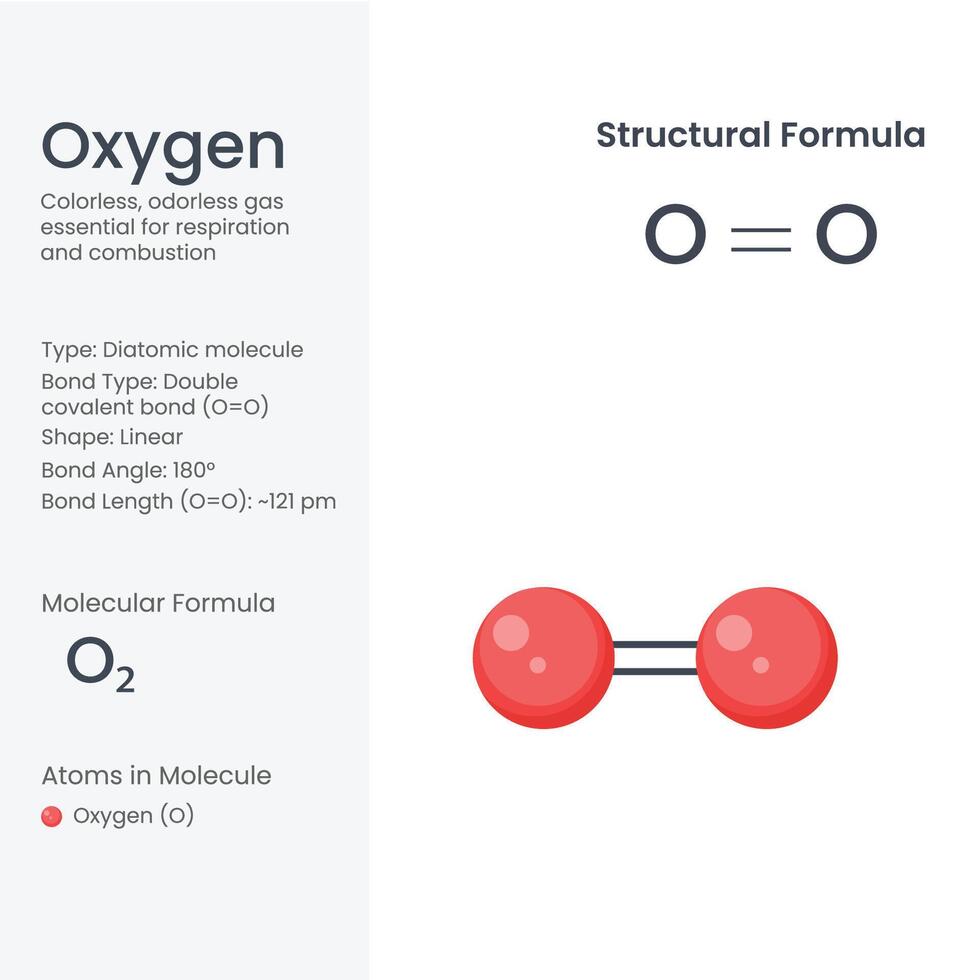
Structure Of O2 Molecule
Structure Of O2 Molecule
O2 Molecule Shape
O2 Molecule Shape
O2 Molecule Molecule Oxygen O2 (Isolated, White Background) Stock
O2 Molecule Molecule Oxygen O2 (Isolated, White Background) Stock
Structure Of O2 Molecule
Structure Of O2 Molecule