
California University San Diego Academic Calendar Explained: Key Dates, Pros, and Trade‑offs
Students, faculty, and administrative staff often grapple with the nuances of the UC San Diego academic calendar, a quarterly schedule that diverges from the semester‑based calendars used by many other institutions. Understanding how the calendar is structured—and the advantages and constraints it creates—helps newcomers plan coursework, manage workload, and align personal commitments with university timelines.
Understanding the Quarterly Framework
UC San Diego operates on a four‑quarter system: Fall, Winter, Spring, and an optional Summer session. Each quarter typically spans ten weeks of instruction followed by a one‑week “dead week” and a final exam period. The Fall quarter begins in late September, the Winter quarter in early January, and the Spring quarter in late March, while the Summer session—offered in two shorter terms—runs from late May through August. This rhythm creates three full quarters of academic activity per year, leaving a relatively short summer break compared to semester schools.
Pros and Trade‑offs for Students
Pros
- Frequent start dates give students flexibility to begin or finish degree requirements without waiting an entire year.
- Shorter, more intensive courses can lead to faster mastery of material and quicker progression toward graduation.
- The Summer session offers an avenue to catch up on credits, retake a class, or explore interdisciplinary electives without disrupting the regular quarter flow.
Trade‑offs
- The compressed ten‑week format demands a faster pace, which can increase weekly workload and reduce time for deep‑dive projects.
- Limited breaks between quarters may strain students who need extended downtime for internships, work, or personal responsibilities.
- Co‑curricular activities—such as research positions or campus clubs—must align with the tight academic schedule, sometimes limiting participation.
Implications for Planning and Decision‑Making
Prospective and current students can mitigate the quarter system’s intensity by adopting a strategic approach to course selection and time management. For example, enrolling in a balanced mix of lecture‑heavy and discussion‑based courses each quarter helps distribute workload evenly. When possible, using the Summer session for a lighter load—or to focus on a single intensive project—can provide a mental reset before the next Fall quarter.
Balancing Academic Goals with Employment
Because the quarter system produces three academic cycles per year, students often seek part‑time employment that accommodates short, recurring breaks. Employers familiar with the UC calendar typically offer flexible shift patterns that align with the “dead week” and summer periods, allowing students to maintain steady income without compromising academic performance.
Navigating Campus Resources
UC San Diego’s academic advising, tutoring centers, and library services are scheduled around the quarterly calendar. Knowing the exact weeks when exam periods and class registration occur enables students to access help desks when demand spikes, thereby avoiding bottlenecks.
Realistic Expectations for Success
Mastering the UC San Diego academic calendar requires acknowledging its rhythm: rapid instruction, concise breaks, and recurring start points. By proactively aligning coursework with personal commitments, leveraging summer offerings, and tapping into campus support structures, students can transform the calendar’s challenges into opportunities for accelerated progress.
California 2021: Los 10 Mejores Tours Y Actividades (con Fotos) - Cosas
California 2021: los 10 mejores tours y actividades (con fotos) - Cosas ...
California Maps & Facts - World Atlas
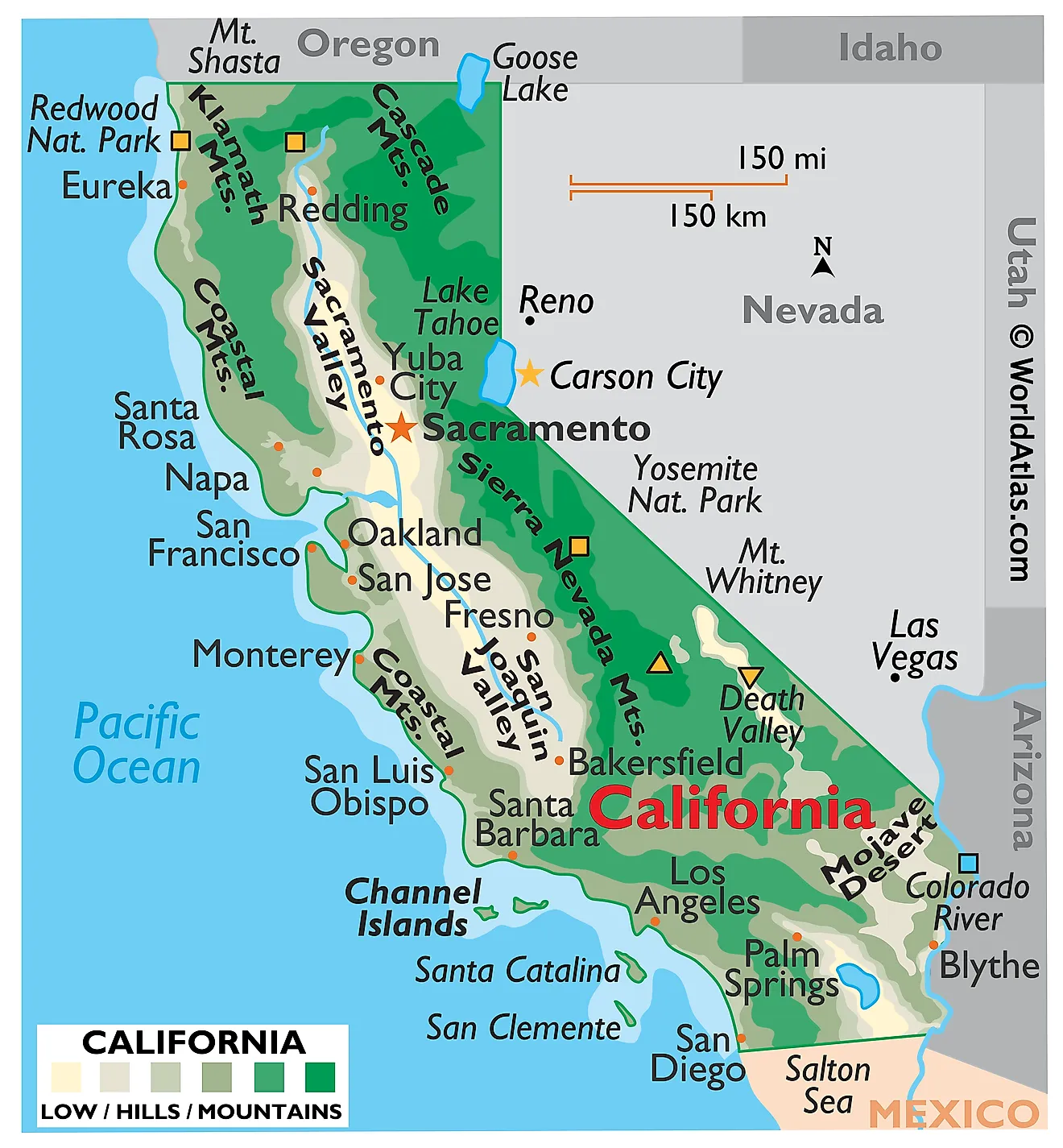
California Maps & Facts - World Atlas
Large California Maps For Free Download And Print | High-Resolution And
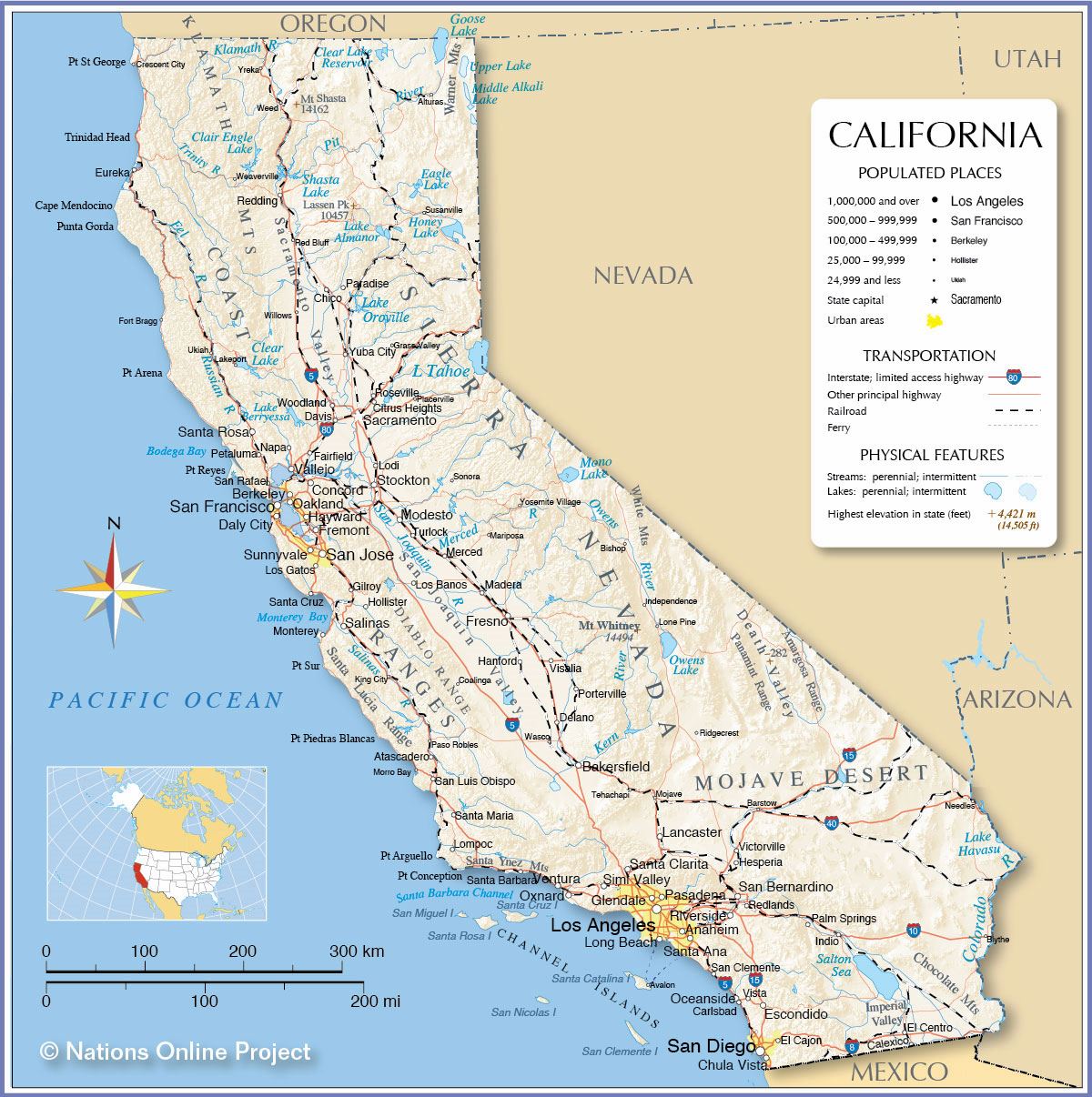
Large California Maps for Free Download and Print | High-Resolution and ...