
Washington DC Bill of Sale Differences From State Explained: Expert Insight into Vehicle Transfers
Buying or selling a vehicle can be a complex process, especially when navigating the unique regulations of Washington D.C. One key aspect to consider is the bill of sale, a critical document that varies from state to state. As an experienced hobbyist, understanding the differences between bill of sales in Washington D.C. and other states can save you time and trouble when transferring ownership. Let's dive into the details.
Beyond the Federal Realm: State-Specific Regulations
Washington D.C.'s bill of sale regulations diverge significantly from those in surrounding states, reflecting its federal and semi-autonomous status. For instance, a Washington D.C. bill of sale must include the vehicle's make, model, year, Vehicle Identification Number (VIN), and odometer reading, as well as the buyer's and seller's names and addresses. In contrast, neighboring states like Maryland and Virginia may require additional information or variations in format.
When buying a vehicle from a previous owner in Washington D.C., it is essential to ensure that all parties sign the bill of sale, and the document is properly dated and witnessed. You should also obtain any supporting documentation, such as the vehicle's title and any applicable transfer fees. If buying from a dealership, the title will typically be handled by the seller, but it is crucial to verify that all necessary paperwork is in order.
Interstate Vehicle Transfers: Understanding Key State Differences
Interstate Vehicle Transfers: Understanding Key State Differences
When buying or selling a vehicle that was previously owned in another state, you will need to navigate the unique regulations and laws of that state as well as Washington D.C.'s. For example, some states may have specific emission or safety requirements that must be met before the vehicle can be registered in Washington D.C. Additionally, some states may require additional documentation or fees to facilitate interstate transfers.
Beyond the vehicle's condition and history, understanding the bill of sale and title requirements of both states is crucial for a smooth transfer. Failing to comply with state regulations can result in costly fines, delayed processing, or even render the vehicle unregistrable. As such, take the time to research and understand the bill of sale differences from state to state when engaging in an interstate vehicle transfer.
Washington D.C. Bill of Sale Templates and Resources
There are several online resources and bill of sale templates available that cater specifically to Washington D.C.'s unique regulations. These can be incredibly helpful when creating your own custom bill of sale or when seeking to verify the accuracy of an existing one. Some popular options include the District's official government website, as well as various third-party websites specializing in vehicle transfer documentation.
When using a template, make sure to double-check that it complies with all relevant Washington D.C. laws and regulations. You may also consider consulting with a local attorney or DMV representative for additional guidance on creating a compliant bill of sale.
Conclusion
Understanding Washington D.C. bill of sale differences from state to state is a necessary step in the vehicle transfer process. By doing your research and taking the time to comply with state regulations, you can avoid costly mistakes, ensure a smoother transfer, and rest assured that your transaction is properly documented.
Discover Washington DC: Top Sights In 3 Days

Discover Washington DC: Top Sights in 3 Days
Beyond The Walls: The Washington Monument And The Lincoln Memorial

Beyond the Walls: The Washington Monument and the Lincoln Memorial ...
Washington D.C. Becomes First LEED Platinum City In The World
Washington D.C. Becomes First LEED Platinum City in the World ...
The Portrait Gallery: George Washington
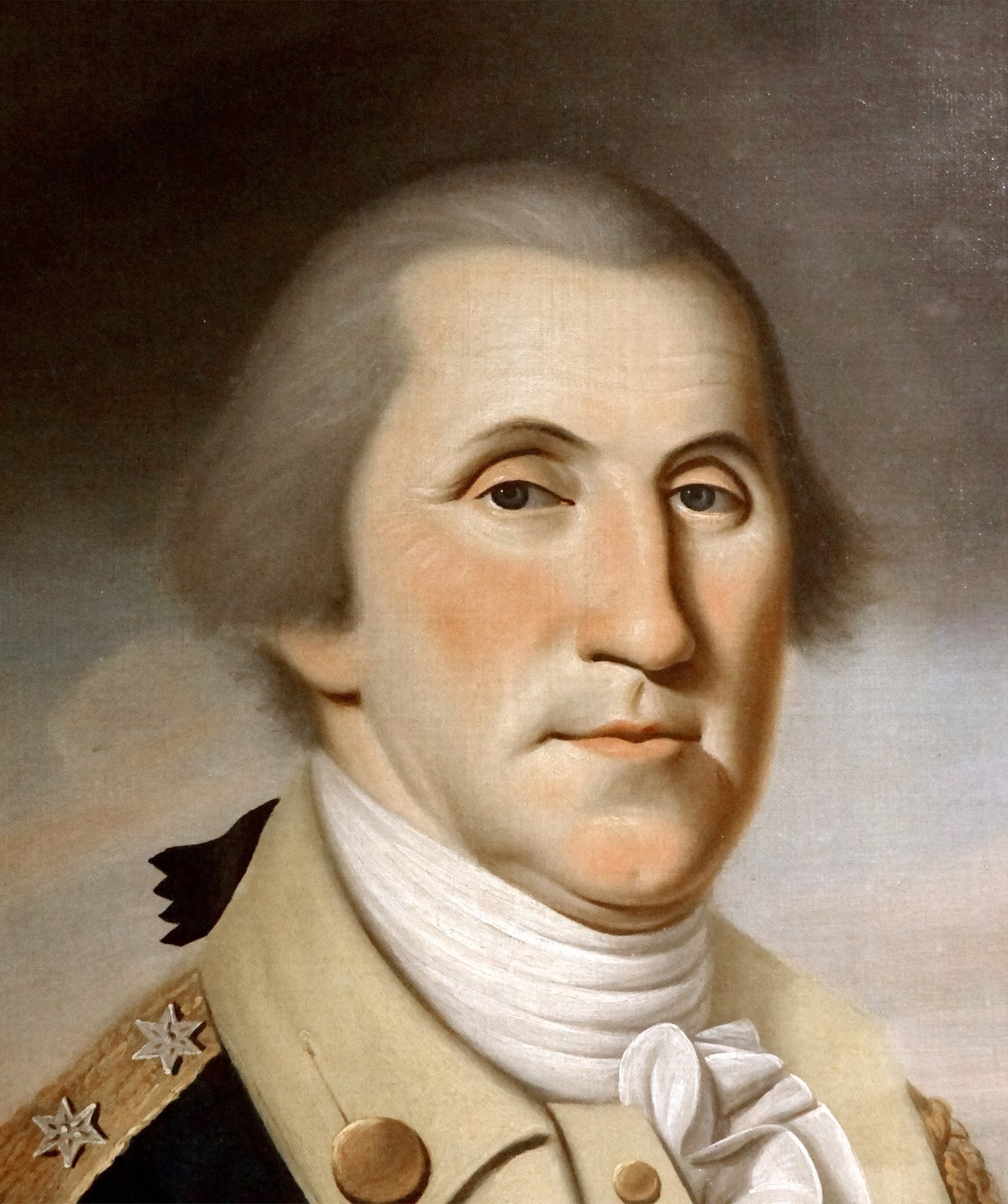
The Portrait Gallery: George Washington