Spot the Warning Signs: RPS 205 Pitfalls to Watch Out for in Wound Healing
When dealing with complex wounds, adhering to strict protocols and avoiding common pitfalls is crucial for effective healing. The RPS (Recommended Practice Standard) 205 provides valuable guidelines for healthcare professionals, but deviating from these standards can lead to costly delays and potentially life-threatening complications. In this article, we'll delve into the warning signs and common pitfalls associated with RPS 205 to help you stay on the right track.
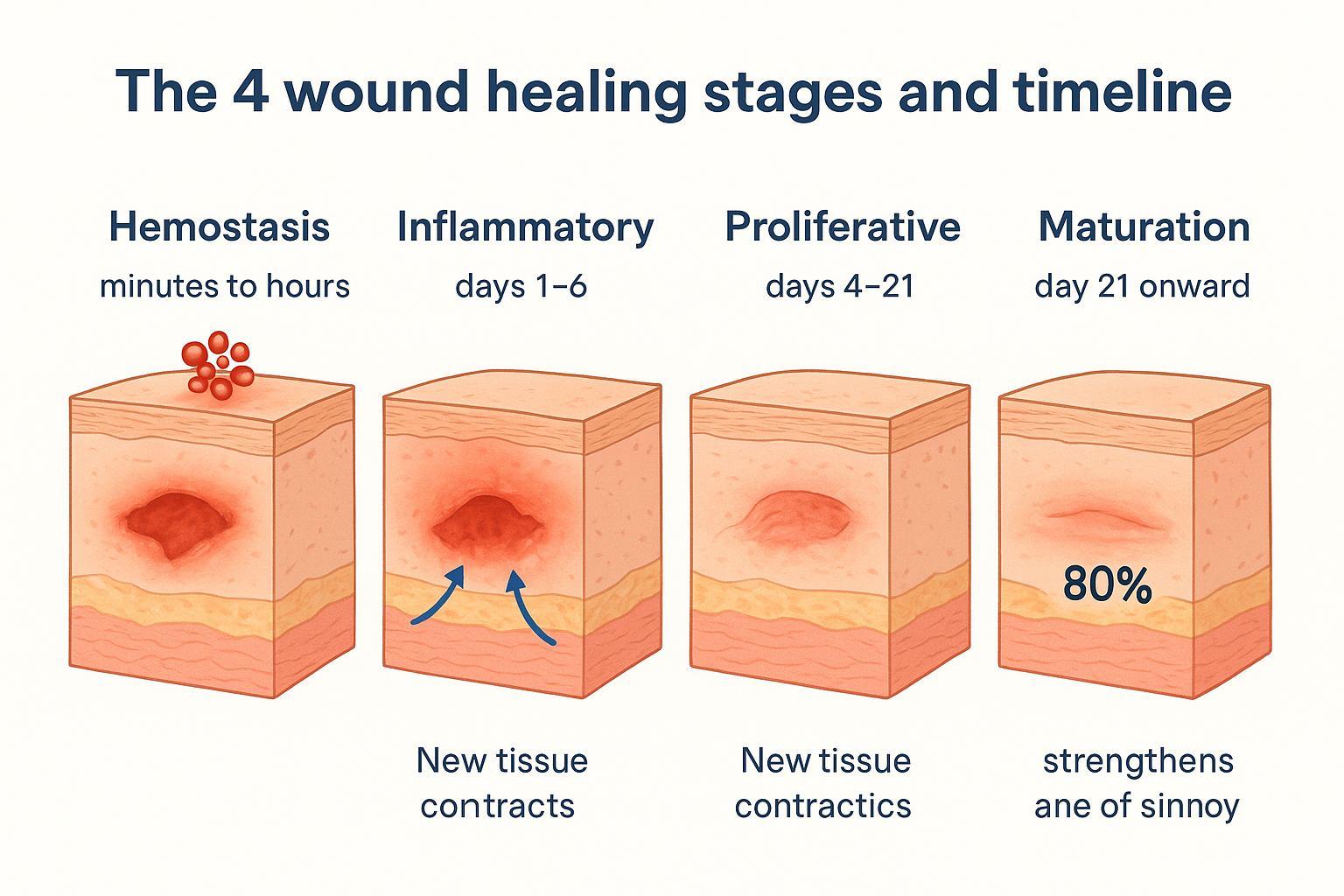
Understanding Wound Healing Stages
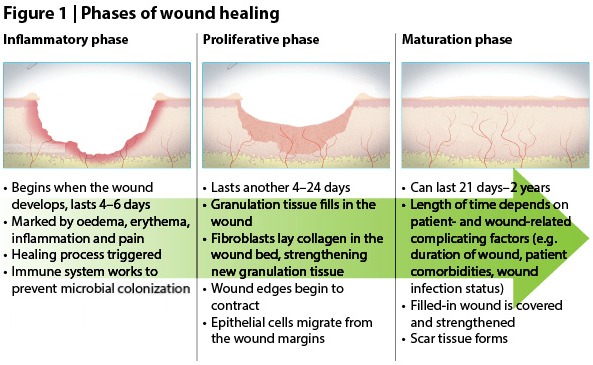
Before diving into the potential pitfalls, it's essential to grasp the wound healing process. The Phases of Wound Healing  are crucial for a successful recovery. Understanding these stages will help you identify potential issues early on and take corrective action.
Common Pitfalls in RPS 205
When implementing RPS 205, several pitfalls can derail your project. Some of the most common ones include:
- Inadequate wound assessment: Failing to accurately assess the wound's size, depth, and surrounding tissue can lead to misdiagnosis and inappropriate treatment.
- Insufficient wound cleaning and debridement: Neglecting to properly clean and debride the wound can prolong the healing process and increase the risk of infection.
- Incorrect use of dressings and treatments: Applying the wrong type or amount of dressing or using treatments that aren't tailored to the wound's specific needs can hinder the healing process.
- Lack of patient education and follow-up: Failing to educate patients on proper wound care and neglecting to follow up with them can lead to non-compliance and further complications.
Granulation tissue or slough, for example, can significantly impact wound healing. 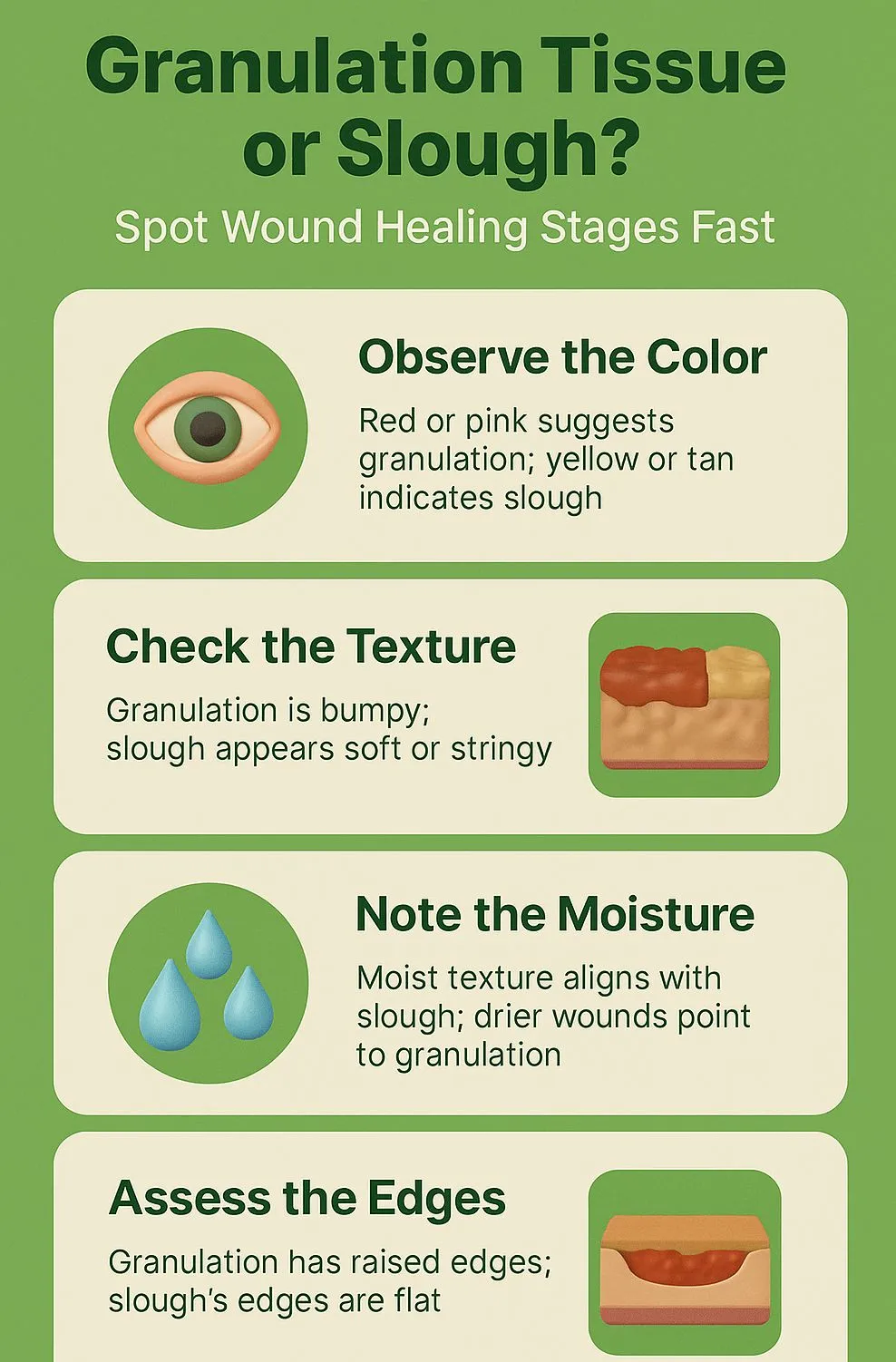 Being able to identify these factors early on can make all the difference in the healing process.
Tips for Avoiding RPS 205 Pitfalls
To minimize the risk of pitfalls, follow these best practices:
- Closely monitor wound progress and adjust treatment plans accordingly.
- Ensure accurate wound assessment and documentation.
- Regularly review and update your knowledge on wound care and treatment options.
- Communicate effectively with patients and involve them in their wound care.
By being aware of the common pitfalls associated with RPS 205 and taking proactive steps to mitigate them, you can ensure a smoother and more effective wound healing process. Stay vigilant, stay informed, and provide the best possible care for your patients.
The Phases Of Wound Healing

The Phases of Wound Healing
How Nutrition Affects Wound Healing - Total Care Family Center

How Nutrition Affects Wound Healing - Total Care Family Center
Stages Of Wound Healing Photos Google Search Medical - Vrogue.co
Stages Of Wound Healing Photos Google Search Medical - vrogue.co
Wound Healing Stages: Timeline, Signs, And What To Expect
Wound Healing Stages: Timeline, Signs, And What To Expect ...