:max_bytes(150000):strip_icc()/Ultimate-Invasion-022123-04-90bd12d1babc465188d46affac58053a.jpg)
The Ultimate Guide to Building a Custom Osu Calendar from Scratch – A Practical Overview
Osu enthusiasts who rely on precise scheduling often find the default calendar insufficient for the sport’s dynamic tempo. The Ultimate Guide to Building a Custom Osu Calendar from Scratch walks researchers through every step— from data extraction to visual styling— ensuring a tailored solution that integrates seamlessly with existing tools while avoiding common pitfalls that can compromise accuracy.
Identify Core Requirements Before Coding
Successful customization begins with a clear inventory of what the calendar must accomplish. Most users need:
- Automatic import of tournament dates, practice sessions, and personal milestones.
- Timezone‑aware alerts that respect daylight‑saving shifts.
- Visual cues (color‑coding, icons) that distinguish competitive events from casual play.
Documenting these criteria in a requirements matrix prevents scope creep and provides a benchmark for later testing. At this stage, also flag any data sources that lack reliable APIs— they often become the project’s bottleneck.
Extract and Normalize Osu Event Data
Most Osu event information lives in JSON feeds or community‑maintained spreadsheets. Write a lightweight Python script using requests and pandas to pull raw entries, then standardize fields such as start_time, end_time, and event_type. Normalization is crucial because inconsistent timestamps are a frequent cause of missed reminders.
When handling international tournaments, convert all timestamps to UTC before applying the user’s local offset. This approach eliminates the confusion that arises when a single event appears twice in a calendar due to overlapping time zones.
Design a Visual Layout That Communicates at a Glance
Beyond functional correctness, an Osu calendar should convey information instantly. Adopt a minimalist color palette: teal for official leagues, amber for regional qualifiers, and gray for personal practice. Pair each category with an intuitive icon— for instance, a disc‑golf‑style target can represent competitive play without cluttering the view.
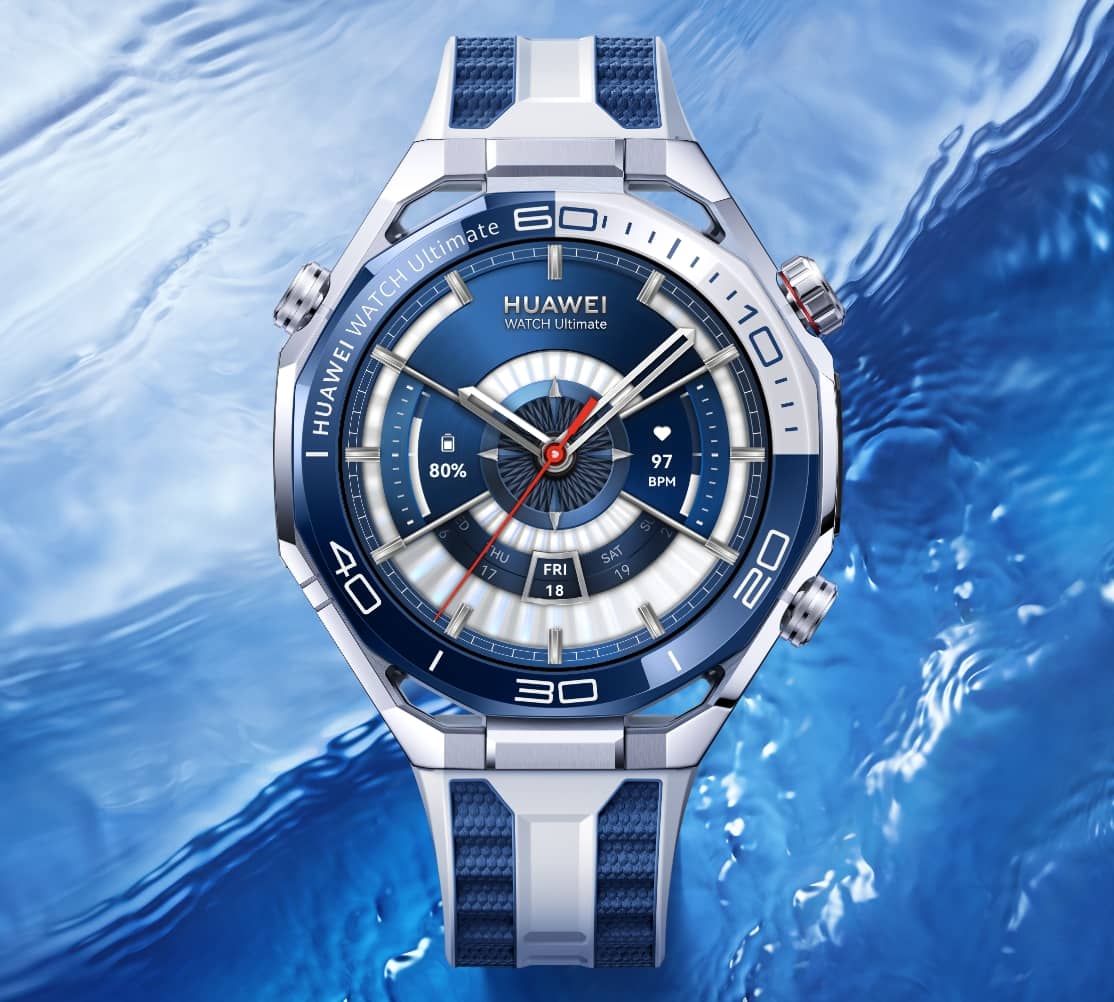
The image above illustrates how a smartwatch screen can host the same color‑coding scheme, reinforcing the calendar’s cross‑device consistency. When crafting the UI, test readability on both high‑resolution monitors and small wearable displays.
Implement Synchronization Across Platforms
Most users juggle a desktop client, a mobile phone, and occasionally a wearable. Leverage iCal or Google Calendar APIs to push the custom calendar to these services. Set the PRODID field to a unique identifier (e.g., -//CustomOsuCalendar//EN) so that duplicate imports are recognized and ignored.
Be cautious: two-way sync can create loops if the same event is edited on both ends. Include a conflict‑resolution rule that prefers the most recent modification timestamp, and log any overridden changes for audit trails.
Validate Accuracy and Iterate
Run a pilot with a small cohort of players who rely on the calendar for daily training. Track metrics such as missed alerts, duplicate entries, and user‑reported clarity. A 24‑hour post‑deployment review often surfaces issues— for example, an overlooked leap‑year bug that shifts February events by a day.
Iterate based on feedback: adjust icon sizes, refine alert thresholds, or add a “buffer” field that automatically extends practice sessions by fifteen minutes to accommodate travel setbacks.
Future‑Proof the Calendar for Expanding Osu Ecosystems
Osu’s competitive scene evolves rapidly, with new tournament formats emerging each season. Design your codebase with modular plugins so that additional event types can be introduced without refactoring core parsers. Document the plugin interface in a developer‑friendly README; this reduces onboarding time for contributors who may want to add, say, a “stream‑only” event category.
By treating the calendar as a living project rather than a one‑off script, you safeguard against the technical debt that typically erodes custom tools after the initial launch.
Jonathan Hickman And Bryan Hitch Team Up For New Ultimate Marvel Comic
Jonathan Hickman and Bryan Hitch team up for new Ultimate Marvel comic
Ultimate UltraStar Disc – Over The Top Disc Golf

Ultimate UltraStar Disc – Over The Top Disc Golf
Ultimate Frisbee Disc
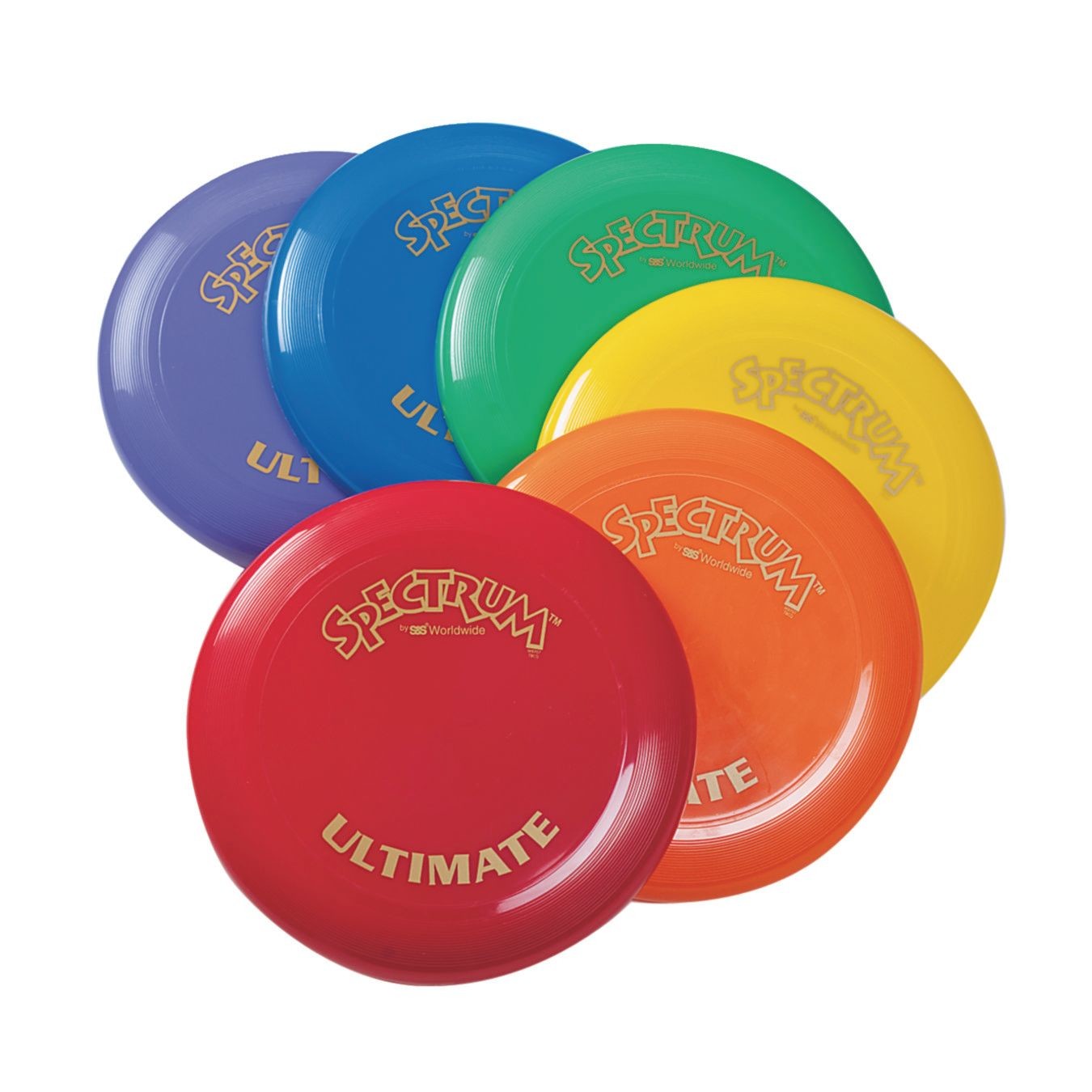
Ultimate Frisbee Disc
Ultimate Frisbee Disc
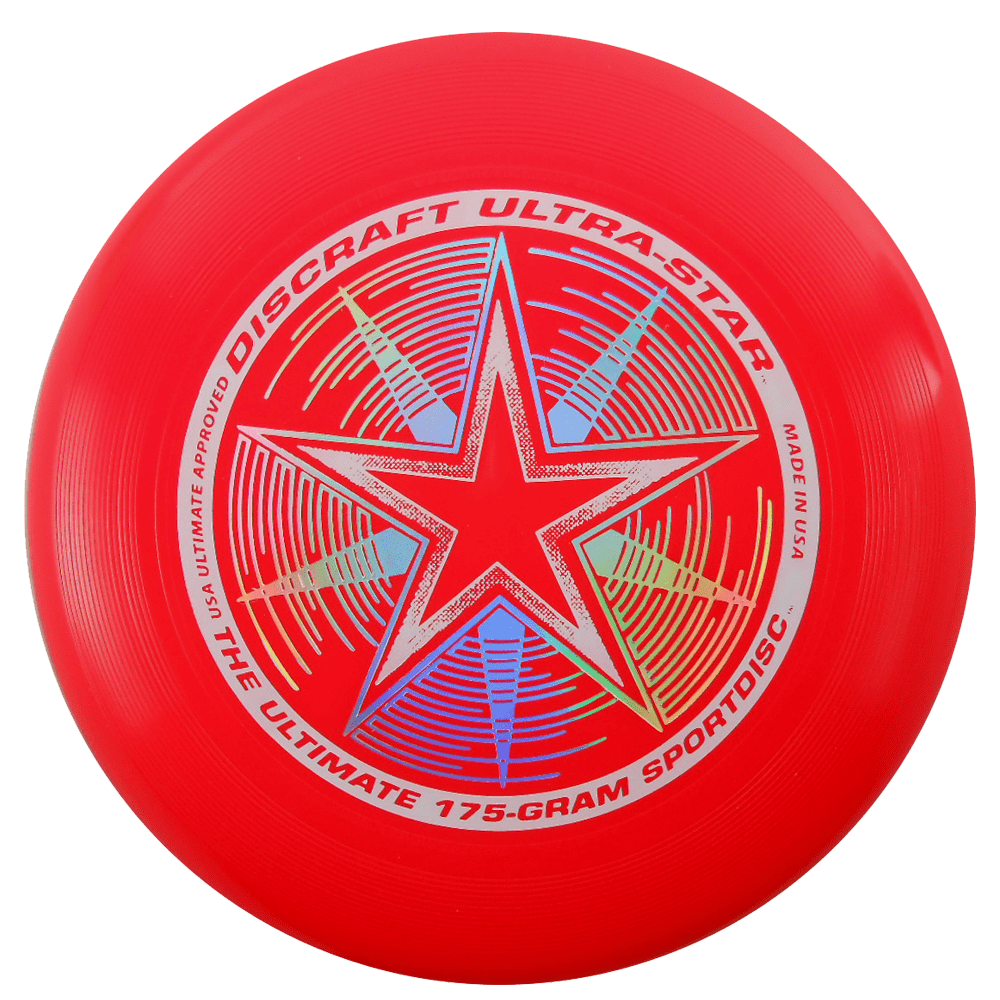
Ultimate Frisbee Disc