
Baseball Coaches Secrets to Wristband Signs Revealed: A Step‑by‑Step Guide
During the past season, analysts reviewing televised games have identified a subtle but systematic use of colored wristbands by major‑league coaches. The wristbands act as covert cue cards, allowing managers to relay pitching changes, defensive shifts, and baserunner instructions without relying on traditional hand signals that opponents can read. Understanding the hidden language of these bands can give players, scouts, and even casual fans a strategic edge.
What hidden wristband signals are coaches actually using?
Most teams equip their staff with a small set of wristbands—typically red, blue, green, and yellow—each tied to a pre‑determined action. For example, a red band often signals a high‑risk pitch such as a strike‑out‑inducing fastball, while a blue band may indicate a defensive realignment to guard against a left‑handed pull hitter. The colors are not arbitrary; they align with the team’s internal playbook, which is usually rehearsed in spring training and reinforced through video analysis.
Because the bands are worn on the wrist, they remain visible only to the player receiving the cue—typically the pitcher or catcher—while staying out of the opponent’s line of sight. This visual shorthand reduces the time spent on elaborate hand signs, speeding up decision‑making in fast‑paced innings.
How can a player decode the signs before they’re deployed?
First, memorize the color‑to‑action matrix that each coaching staff publishes internally. Most players receive a printed cheat sheet that maps every band to a specific pitch type, location, or defensive shift. Second, note the context of the game: inning, batter’s tendencies, and count. A yellow band in a two‑strike situation almost always means a breaking ball low and away, whereas the same band in a no‑out scenario could trigger a squeeze play.
Third, watch the timing. Coaches typically snap the wristband into place just before the pitch is delivered, often while the pitcher is setting up on the mound. By training to glance at the manager’s forearm during the wind‑up, a player can anticipate the upcoming pitch a split‑second earlier than the batter.
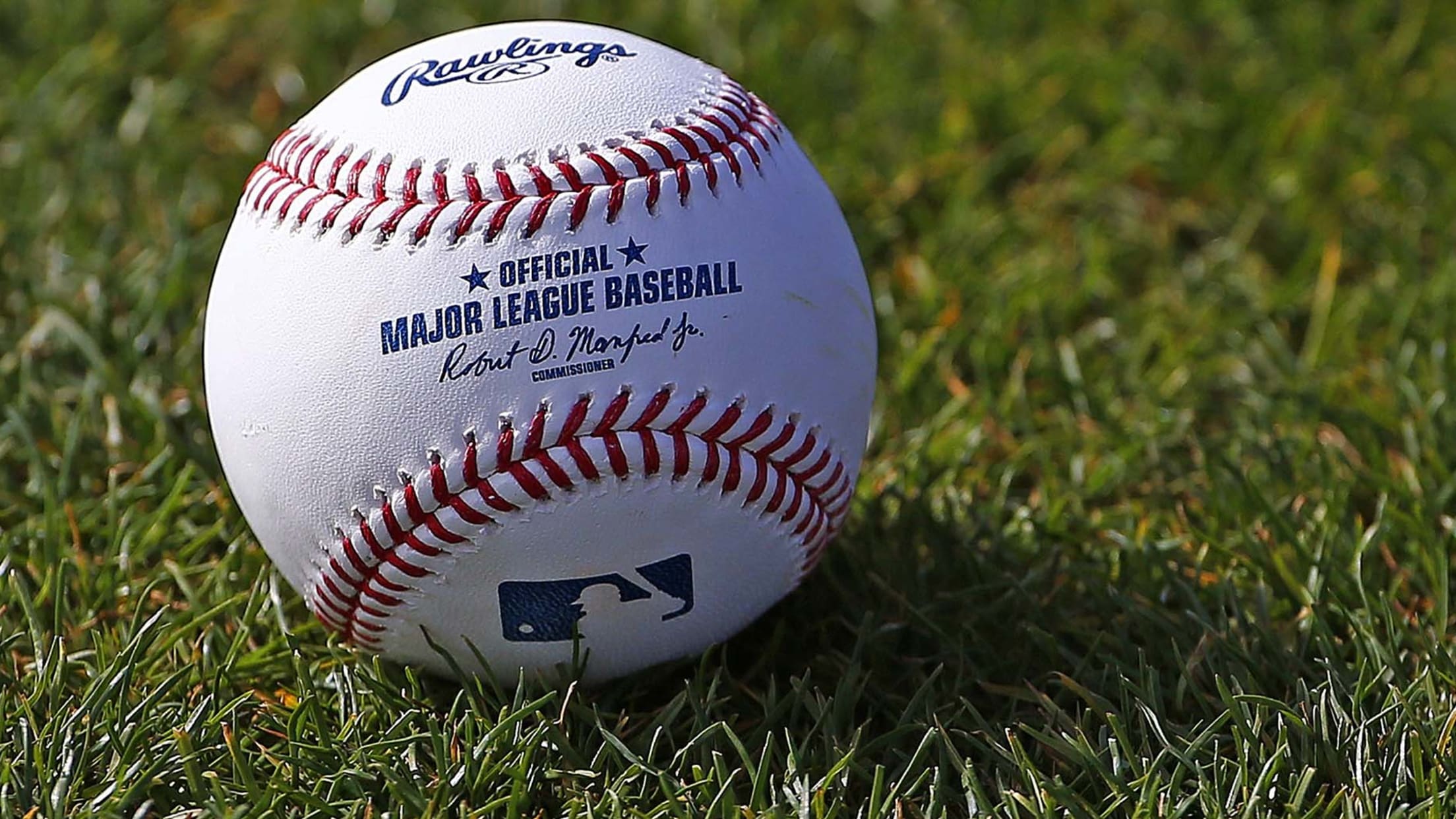
Practice drills that simulate real‑time wristband reveals are essential. During bullpen sessions, a pitching coach can wear a band and call out the corresponding pitch, forcing the pitcher to react instinctively. Repetition cements the association, turning a visual cue into muscle memory.
What impact does mastering these cues have on game strategy?
When a pitcher reliably reads the wristband sign, the offense loses the split‑second advantage of guessing the pitch type. This translates into higher spin rates, improved strike‑out percentages, and fewer hard‑hit balls. Defensively, a catcher who anticipates the pitch can frame it more effectively, raising the likelihood of a called strike.
From a scouting perspective, decoding a rival’s wristband language opens a window into their game plan. Scouts can log the frequency of each color in different situations, then feed the data back to their own coaching staff to craft counter‑measures. Over a full season, teams that systematically track and respond to wristband patterns often show measurable gains in run prevention.
Finally, for the busy practitioner—whether a veteran player preparing for a playoff series or a newcomer trying to earn a roster spot—integrating wristband literacy into daily routine requires only a few minutes of focused visualization. By linking each color to a concrete action and rehearsing the sequence during warm‑ups, the player transforms a hidden signal into a reliable asset without adding complexity to the overall preparation schedule.
3,000+ Free Baseball-Bat & Baseball Images - Pixabay

3,000+ Free Baseball-Bat & Baseball Images - Pixabay
Hitting Performance Lab Baseball Batting Techniques: Simple Way To Use

Hitting Performance Lab Baseball Batting Techniques: Simple Way To Use ...
MLB Testing New Technology During Games To Help Settle Balls Vs
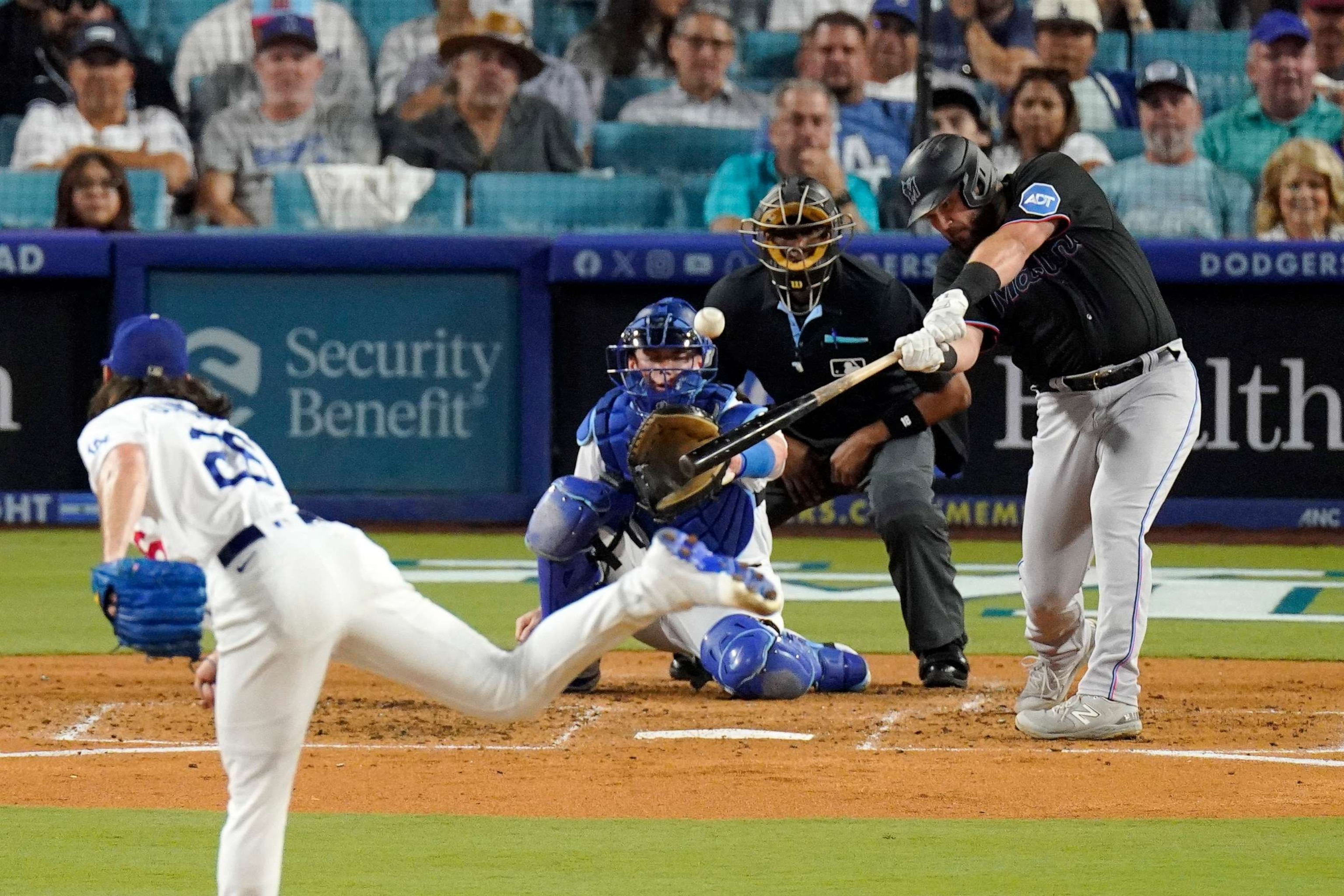
MLB testing new technology during games to help settle balls vs ...