
A Beginner's Guide to Navigating the Complex World of Colorado Licensing
Colorado’s licensing landscape blends state statutes, municipal ordinances, and industry‑specific rules, creating a maze that can trap even seasoned professionals. New entrants frequently stumble over missing paperwork, timing miscalculations, and ambiguous jurisdictional boundaries, yet a handful of strategic adjustments can dramatically streamline the path to a valid license.
Core Elements Every Applicant Must Master
Before filling out any form, confirm the exact classification of your activity—whether it falls under a professional board (e.g., health, engineering), the Department of Regulatory Agencies (DORA), or a local city‑level permit. Each tier imposes distinct documentation, fee structures, and continuing‑education mandates. For example, a contractor operating in Denver must secure both a state contractor’s license from DORA and a city business license, each with separate renewal cycles.
Key documents typically include:
- Proof of liability insurance meeting state‑minimum coverage.
- Verified background checks, which Colorado requires for most regulated professions.
- Evidence of residency or a registered business address within the state.
- Relevant certifications or diplomas, often needing Colorado‑specific endorsement.
Missing any of these items usually triggers an automatic rejection, extending the approval timeline by weeks.
Common Mistakes That Delay or Derail Approval
Assuming One License Covers All Locations
Many applicants assume a state license automatically extends to every municipality. In reality, cities such as Boulder or Aspen maintain supplemental licensing requirements, especially for trades that impact public safety. Overlooking a local endorsement can result in fines and a forced cessation of business activities.
Submitting Incomplete or Out‑of‑Date Forms
Colorado’s online portals frequently update their form sets. Using an older PDF or neglecting a newly added signature field leads to immediate rejection. Regularly checking the official DORA site for the latest versions eliminates this avoidable hurdle.
Underestimating Renewal Complexity
Licenses are not one‑and‑done affairs. Continuing education credits differ by profession—architects need 12 credits every two years, whereas real‑estate agents must complete 12 hours of mandatory coursework annually. Failing to track these deadlines can cause a lapse that requires re‑application and additional fees.
Smarter Alternatives to Traditional Licensing Paths
For entrepreneurs seeking quicker market entry, Colorado offers a handful of provisional or “temporary” licenses that grant limited operational rights while the full application processes. For instance, a health‑care provider can obtain a provisional clinical license that allows practice under supervision for up to 90 days. Leveraging such options provides revenue flow and builds a compliance record before the final license is granted.
Partnering with an established Colorado entity can also sidestep certain requirements. A foreign engineering firm, for example, may contract with a locally licensed partner, allowing the joint venture to meet state regulations without each individual seeking separate licenses.
Consequences of Non‑Compliance and How to Mitigate Risk
Regulatory audits in Colorado are increasingly data‑driven; agencies cross‑reference state databases with municipal records. A missed renewal can trigger automatic suspension, and operating without a valid license may result in penalties ranging from 5% of annual revenue to civil litigation. Maintaining a digital compliance checklist—ideally integrated with calendar reminders—provides an early warning system that helps avoid costly infractions.
Actionable Steps for a Seamless Licensing Experience
- Map the jurisdictional layers relevant to your business: state, county, and city.
- Download the latest application packets directly from the responsible agency’s website.
- Compile all supporting documents before starting the online submission to reduce back‑and‑forth.
- Set calendar alerts for each renewal deadline, noting the specific credit requirements.
- Consider provisional licenses or strategic partnerships when immediate market entry is critical.
By treating Colorado’s licensing system as a series of interconnected checkpoints rather than a single hurdle, newcomers can avoid the most common pitfalls and position their enterprises for long‑term success.
Avanasurgical

Avanasurgical
Amazon.com: Brace Direct T Scope Premier XL Post Op Knee Brace For ACL

Amazon.com: Brace Direct T Scope Premier XL Post Op Knee Brace for ACL ...
T Scope Premier Post-Op Knee Brace | OrthoKinetix
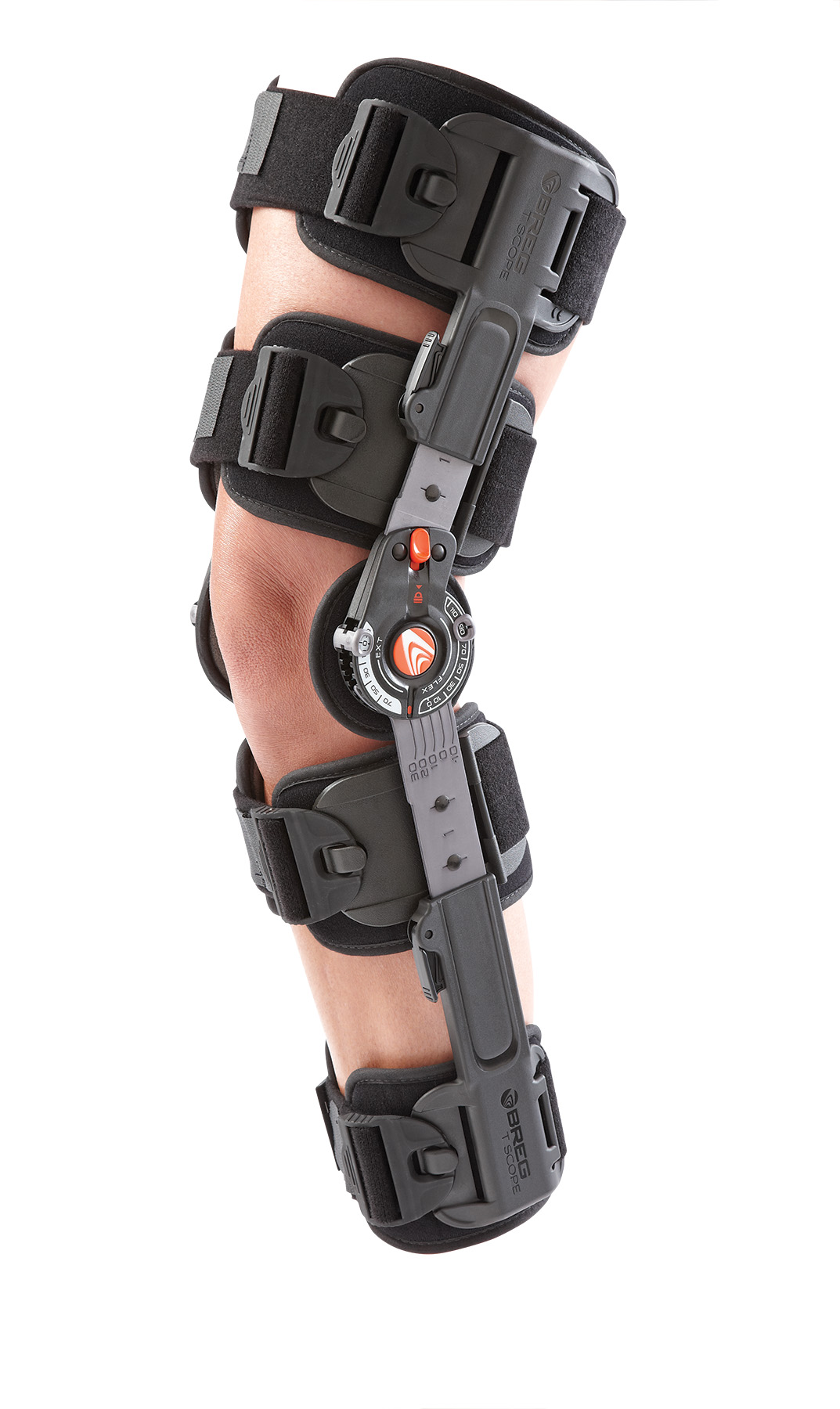
T Scope Premier Post-Op Knee Brace | OrthoKinetix
T Scope® Elbow Premier - Medical Motion, LLC - Premier Orthopedic
T Scope® Elbow Premier - Medical Motion, LLC - Premier Orthopedic ...
T Scope® Codo Premier - Arthroscorp

T Scope® Codo Premier - Arthroscorp