
Michigan State's Academic Calendar Tips to Boost Student Productivity and Engagement
Michigan State University’s academic calendar, a framework of semesters, holidays, and exam periods, has become a strategic tool for students seeking higher productivity and deeper engagement. By aligning study routines, campus resources, and personal wellness with the calendar’s rhythm, learners can turn fixed dates into flexible opportunities for growth.
Why the Academic Calendar Shapes Student Outcomes
Structured start‑and‑end dates give students clear milestones, helping them break large projects into manageable phases. When deadlines are predictable, class schedules can be synchronized with extracurricular commitments, reducing the risk of overlapping responsibilities. However, the calendar’s rigidity can also compress study time around busy weeks, especially when midterms cluster with major assignments. Recognizing both the boost in organization and the pressure points allows students to plan proactively rather than reactively.
Practical Tips for Syncing Study Habits with Calendar Milestones
- Front‑load the semester. Use the first two weeks after classes begin to outline major papers, set weekly goals, and schedule library blocks. Early momentum reduces cramming during peak assessment periods.
- Capitalize on built‑in breaks. Winter and spring holidays provide natural pauses; treat them as deliberate study sprints rather than idle time. A 2‑hour daily review during a break can preserve retention without sacrificing rest.
- Integrate campus resources. Register for tutoring sessions, writing workshops, or study‑group meet‑ups that align with the calendar’s exam preparation windows. Access is often higher when services are advertised alongside specific deadline reminders.
- Use visual timelines. Plot key dates on a personal planner or digital tool, adding buffer days for unexpected tasks. Visual cues reinforce accountability and make the timeline feel less abstract.
Leveraging Seasonal Changes and Michigan’s Natural Landscape
Michigan’s climate offers distinct seasonal cues that can be turned into productivity allies. Autumn’s crisp air, for example, is ideal for outdoor reading groups, while summer’s longer daylight encourages flexible study hours. The state’s Upper Peninsula, celebrated for its pristine scenery, serves as a low‑cost retreat for focused work or mental‑reset sessions.

Students who schedule short trips to such locales during semester intermissions often report heightened concentration and reduced burnout, though they must balance travel time against study commitments.
Potential Pitfalls and Mitigation Strategies
Over‑reliance on the calendar can lead to rigid planning that stifles spontaneity. If every study block is pre‑booked, unexpected opportunities—like a guest lecture or a campus event—may be missed. To counteract this, allocate “flex days” each month where no specific task is assigned, allowing room for emergent learning experiences. Additionally, the temptation to over‑schedule during holidays can erode the restorative purpose of breaks; maintaining a 70/30 split between work and rest preserves long‑term stamina.
Realistic Expectations for Academic Progress
Implementing calendar‑aligned strategies does not guarantee flawless grades, but it does cultivate a habit of foresight and adaptability. Students should anticipate incremental improvements—such as higher quiz averages or more consistent participation—rather than immediate perfection. By regularly reviewing what worked and adjusting the approach each semester, learners build a personalized productivity blueprint that respects both academic demands and personal well‑being.
Michigan’s Upper Peninsula: Spectacular In All Seasons - Lonely Planet

Michigan’s Upper Peninsula: spectacular in all seasons - Lonely Planet
An Epic Michigan Upper Peninsula Road Trip: 4 Day Itinerary
An Epic Michigan Upper Peninsula Road Trip: 4 Day Itinerary
Michigan Counties Map | Mappr
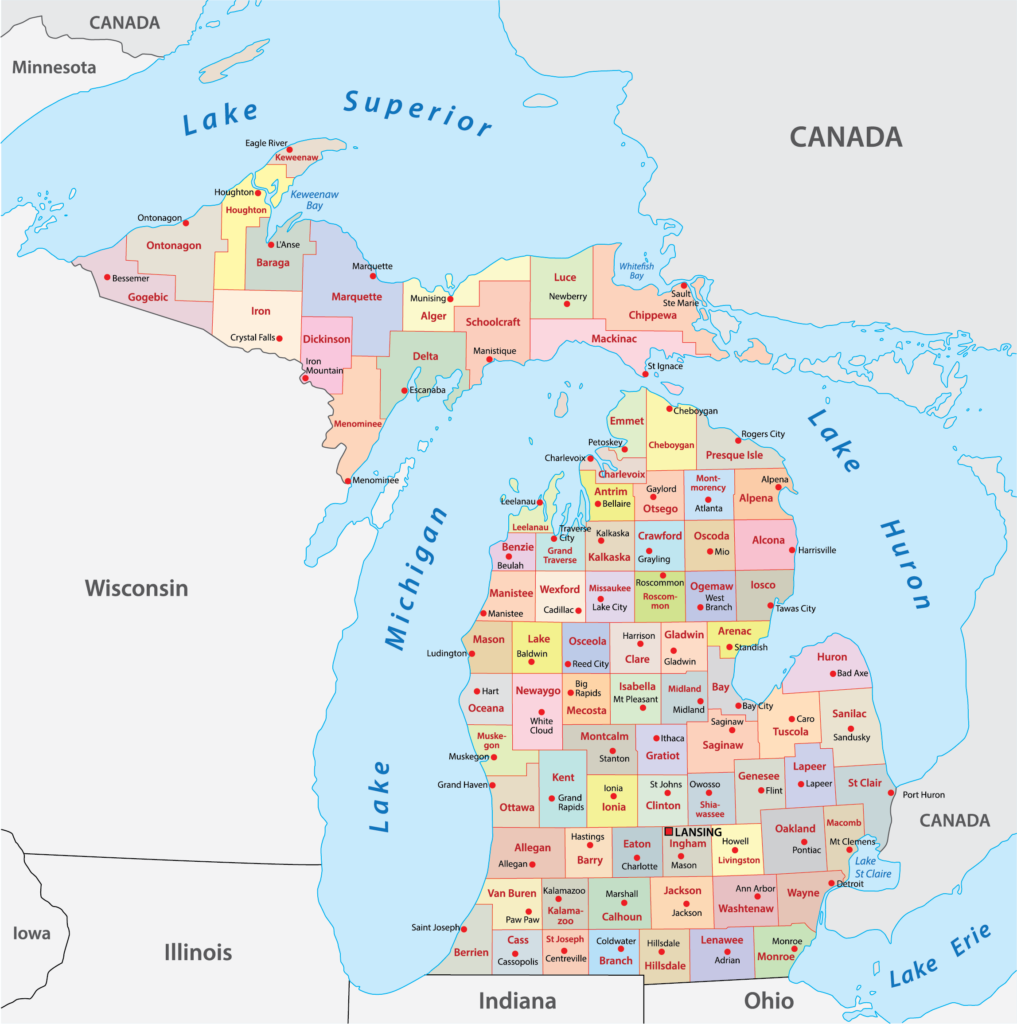
Michigan Counties Map | Mappr