What's the Difference Between a Birth Chart and a Transit Chart? Clarify Common Mistakes
Astrology enthusiasts often hear “birth chart” and “transit chart” used interchangeably, but the two serve distinct purposes. A birth chart captures the planetary snapshot at the moment of birth, establishing a personal blueprint, while a transit chart maps current planetary positions against that blueprint to show how external energies are interacting with the individual now. Understanding the line between these charts prevents misinterpretation and lets readers apply each tool where it truly shines.
Scenario 1: A client requests a “chart reading” without specifying the type
Many first‑time clients assume the astrologer will automatically provide a transit analysis, forgetting that the foundational data comes from the birth chart. This confusion can lead to vague predictions that feel “generic” because the astrologer may be glossing over the natal positions instead of focusing on the active transits.

Key caution: Never start a reading with only the current planetary layout; the birth chart supplies the reference points needed to interpret any transit meaningfully.
Scenario 2: Planning a wedding, job change, or move
When you’re timing a major event, the transit chart becomes the star player. It shows when beneficial planets (e.g., Jupiter or Venus) are forming favorable aspects to your natal Sun or Moon, signaling windows of opportunity. Relying purely on the birth chart for timing misses the dynamic flow of the heavens and can lead to mistimed decisions.
- Benefit: Identifies short‑term windows for action.
- Risk: Overlooks long‑term patterns embedded in the natal chart.
Scenario 3: Mixing birth and transit data in a single report
Some hobbyist astrologers compile a single chart that blends static natal positions with moving transits, hoping to create a “complete picture.” The result is often a cluttered layout where the reader cannot tell which lines belong to the birth chart and which belong to current transits. This muddles interpretation and can produce contradictory advice.
Common mistake: Using the same glyph colors or symbols for both charts, causing visual ambiguity. A clearer approach separates the charts or uses distinct styling to signal which set of aspects is being analyzed.
Smarter Alternative: Deploy each chart where it excels
Instead of trying to force both sets of data into one diagram, adopt a two‑step workflow:
- Generate the birth chart first. Record the planetary houses, aspects, and key points such as the Ascendant and Midheaven. This establishes the individual’s core themes.
- When a question arises—career, relationships, health—create a transit chart for the relevant dates. Overlay the transits onto the natal positions, but keep the visuals separate (e.g., side‑by‑side panels).
By compartmentalizing, you preserve the integrity of the natal blueprint while allowing the current sky to speak directly to the query at hand.
Implications for Everyday Users
For the local reader who checks their daily horoscope, recognizing the difference means knowing when a headline is a broad transit trend versus a personal natal influence. It also empowers you to ask the right questions of a professional astrologer: “Can you show me the transits to my natal Sun for next month?” rather than a vague “What does my chart say?”
In practice, the distinction safeguards against over‑generalization, helps pinpoint optimal timing for life decisions, and keeps the interpretive process transparent. When you respect the separate roles of birth and transit charts, the guidance you receive becomes both precise and actionable.
What So What And Now What

What So What And Now What
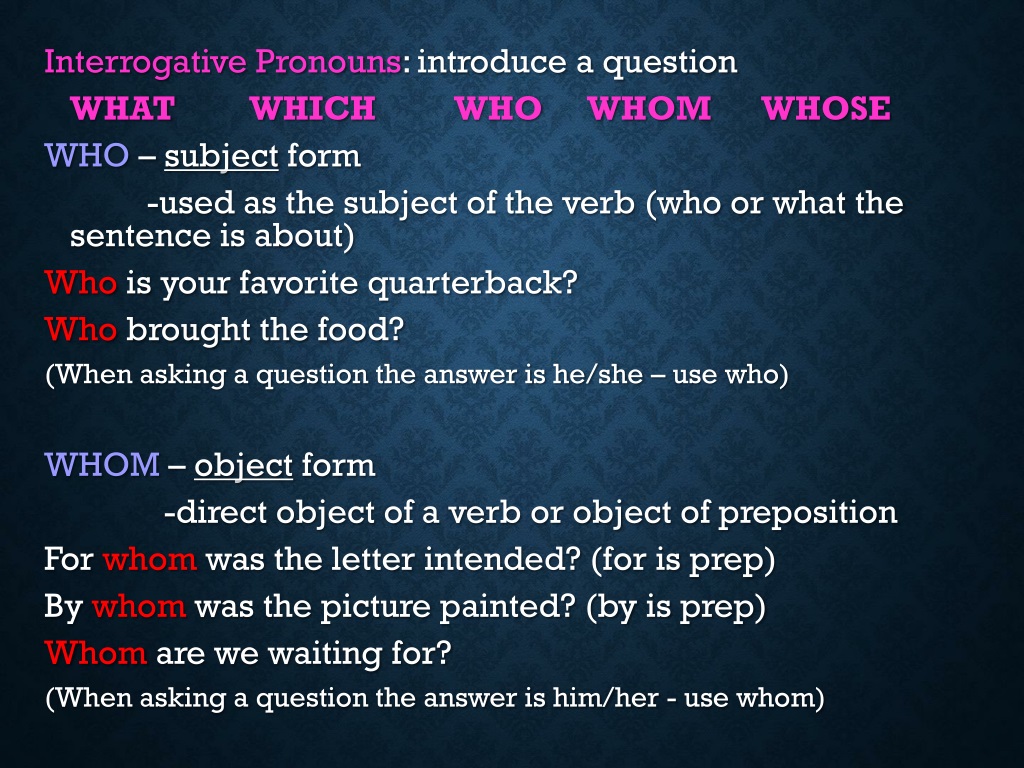
PPT - Pronouns: A Comprehensive Guide To Different Types And Usage
PPT - Pronouns: A Comprehensive Guide to Different Types and Usage ...
Whaaat? | Humor De Minions, Frases De Minions, Cosas De Minion

Whaaat? | Humor de minions, Frases de minions, Cosas de minion
What? - DAVID O DEFENSE

what? - DAVID O DEFENSE